
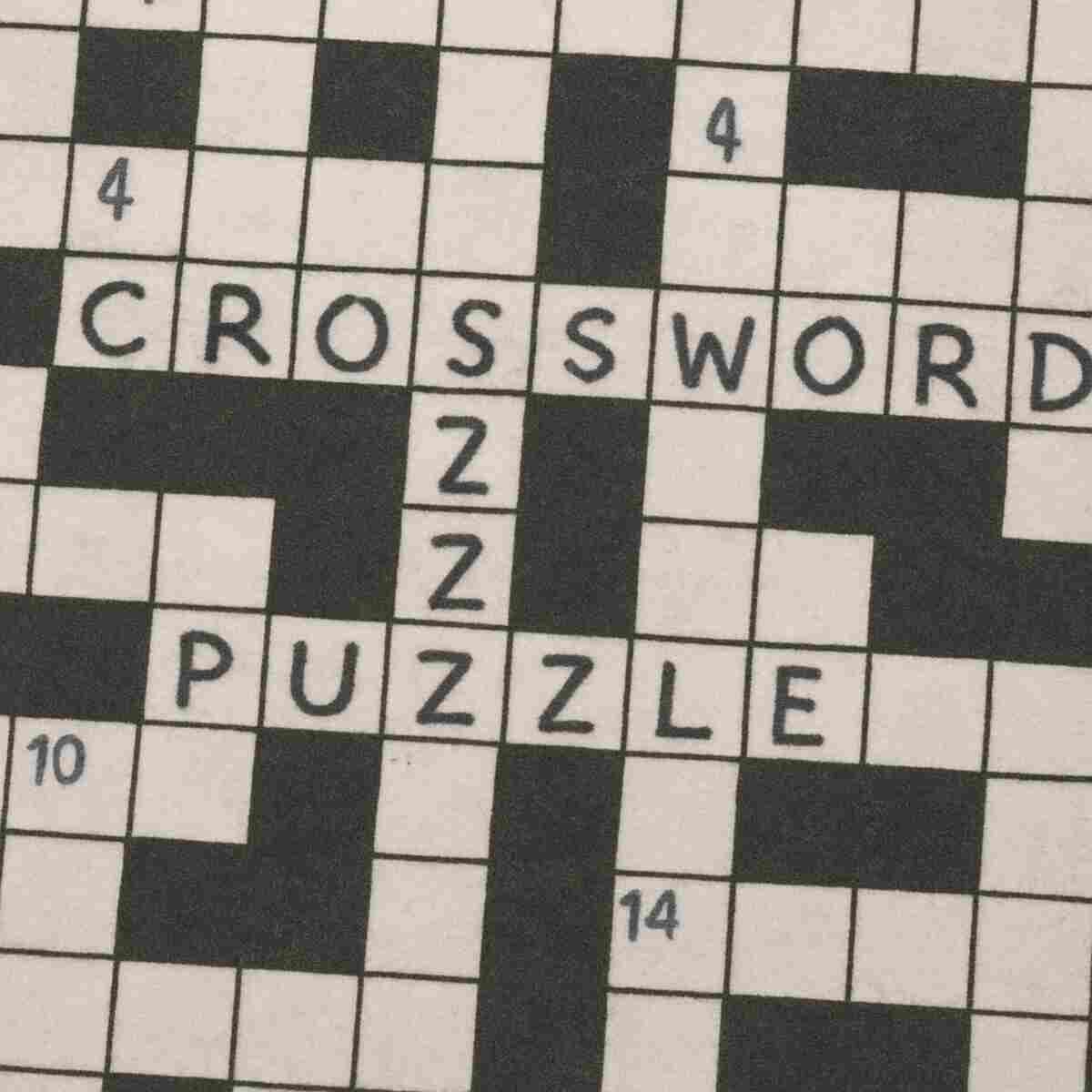
Before diving into specific tips for card game crosswords, it’s essential to understand the basic structure of crossword clues. Generally, clues are hints to the answers that fit into the puzzle’s grid. Each clue often includes wordplay, synonyms, or straightforward definitions. Having a foundational understanding of how clues are crafted can significantly enhance your solving skills. To find more, check on KRISTAL115
Types of Crossword Clues
Crossword clues come in various forms, each requiring a different approach to solve. Understanding these types can help you recognize patterns and apply the right strategy for each clue.
- Direct Clues: These offer a straightforward hint. For example, “A game with 52 cards” could lead you directly to “poker” or “bridge.” Direct clues are often the easiest to solve because they usually relate to common knowledge.
- Anagrams: Anagram clues require rearranging letters in the clue to find your answer. These clues often include words like “shuffled” or “rearranged,” which hint at the need to mix up the letters.
- Fill-in-the-Blanks: These clues are often the easiest, as they provide a sentence with a blank for you to fill in. They usually rely on common phrases or expressions, making them accessible even for beginners.
- Cryptic Clues: These are more common in British crosswords and involve wordplay and multiple layers of meaning. Cryptic clues might include puns, homophones, or double meanings, requiring a lateral thinking approach.
The Anatomy of a Crossword Grid
Understanding the grid’s structure is crucial when approaching any crossword puzzle. The grid is typically composed of a series of intersecting horizontal and vertical words, which can provide valuable hints when solving.
- Horizontal and Vertical Intersections: Each word in the grid intersects with others, which means solving one word can help solve another. This interconnectedness is a vital part of strategic crossword solving.
- Grid Patterns: Most crossword grids follow a symmetrical pattern, which can sometimes offer hints as to the length and placement of words.
- Theme Integration: Many crossword puzzles are designed around a specific theme, which can be a useful clue. Recognizing the theme can help predict other related answers.
Common Crossword Conventions
Crossword puzzles often adhere to specific conventions that can serve as guiding principles in solving clues.
- Clue Order: Clues are generally listed in order of appearance, starting from the top left and moving to the bottom right of the grid.
- Tense and Agreement: The tense or agreement of the clue will match the answer. For example, a past tense clue will lead to a past tense answer.
- Punctuation and Capitalization: Sometimes, punctuation and capitalization in clues can provide hints. A capitalized word might indicate a proper noun, while a question mark might suggest a pun or wordplay.
Tips for Solving Card Game Crossword Clues
Start with the Easy Clues
Dive into the puzzle by looking for the easiest clues first. These might be fill-in-the-blank clues or direct definitions. Getting a few answers in place can help you with intersecting words, which can be crucial in solving more challenging card game clues. It’s a bit like getting your foot in the door; once you have a few answers, the rest often fall into place more easily.
- Identify Low-Hanging Fruit: Target the clues that seem most accessible to build confidence and gain momentum. This approach helps in opening up the grid and revealing more intersecting letters.
- Build a Foundation: By solving the easier clues first, you create a framework that makes it easier to tackle more difficult clues. This strategy helps in visualizing the puzzle’s overall structure.
- Use Process of Elimination: Even if you aren’t sure of an answer, eliminating impossible options can narrow down the possibilities, especially for intersecting words.
Familiarize Yourself with Card Game Terminology
Card games come with their own set of jargon. Knowing terms like “trick,” “trump,” “suit,” and “hand” can be incredibly helpful. These words often appear in card game crosswords and can provide a quick win when you’re stuck. A solid grasp of common card game vocabulary can be a game-changer in solving thematic crosswords.
- Study Popular Card Games: Familiarize yourself with the rules and terminology of popular card games like poker, bridge, and solitaire. This knowledge not only helps in solving clues but also enriches your overall understanding of the theme.
- Create a Glossary: Keep a list of common card game terms and their meanings. Reviewing this glossary before starting a puzzle can prime your mind for thematic clues.
- Engage with Card Game Communities: Joining forums or groups dedicated to card games can expose you to new terms and concepts, broadening your crossword-solving toolkit.
Use the Crossword’s Theme to Your Advantage
Many crosswords have a theme that ties several clues together. If the puzzle is card game-themed, expect multiple clues related to poker, bridge, solitaire, or other popular games. Once you identify the theme, you can use it to predict potential answers. Recognizing the theme early on can be a strategic advantage.
- Identify Theme Clues: Look for clues that seem related or share a common subject. These are often tied to the puzzle’s theme and can guide you toward interconnected answers.
- Predict Related Answers: Once the theme is identified, anticipate other answers that fit within this context. This foresight can streamline the solving process.
- Theme-Based Word Associations: Think about words and phrases commonly associated with the theme. This technique can help when you’re stuck on a clue that fits the theme.
Look for Synonyms and Wordplay
Crossword clues often use synonyms or puns to point you toward the answer. If you see a clue like “Card game’s winning advantage,” think of synonyms for “advantage” that relate to card games, like “trump.” Recognizing these linguistic tricks can make solving much more intuitive.
- Explore Synonym Lists: Familiarize yourself with lists of synonyms and related words. This knowledge can be invaluable when deciphering tricky clues.
- Practice Wordplay Puzzles: Engage with puzzles that focus on wordplay to develop a sharper eye for puns and double meanings. This practice can hone your skills in recognizing such clues.
- Contextual Analysis: Consider the context of the clue to determine the most fitting synonym or wordplay solution. This analysis can often lead to “aha” moments where the answer becomes clear.
Break Down Longer Words
When you’re faced with a long answer, break it down into parts. For example, if the clue is “Famous bridge player,” and the answer has 15 letters, think about well-known players or authors related to bridge. Tackling long answers in manageable chunks can demystify seemingly complex clues.
- Segment the Answer: Divide the long answer into smaller, more recognizable parts or syllables. This segmentation can make the solution more approachable.
- Identify Familiar Components: Look for parts of the word that you recognize or can deduce from the clue. Familiarity with segments can often lead you to the whole answer.
- Use Known Letters: Use any intersecting letters already filled in to guide your thinking about the longer word. These known letters can provide crucial hints in completing the answer.
Using External Resources
Leverage Crossword Solver Tools
There are several online tools and apps designed to help with crossword puzzles. While it’s more satisfying to solve on your own, these tools can be lifesavers when you’re completely stuck. Knowing when and how to use these resources can enhance your solving experience without diminishing the challenge.
- Choose Reputable Tools: Select tools that are well-reviewed and respected within the crossword community. Reliable tools can provide accurate and helpful hints.
- Use Tools Sparingly: Rely on these tools as a last resort to maintain the integrity of the solving process. Using them too frequently can detract from the satisfaction of solving on your own.
- Learn from the Tools: When using a solver tool, take note of the answers it provides and how they fit the clues. This learning process can improve your skills for future puzzles.
Research Common Card Game Clues
Sometimes, a quick online search can provide lists of common card game crossword clues. This research can familiarize you with frequently used terms and phrases. Being proactive in your research can give you a head start before even beginning a puzzle.
- Compile Lists of Clues: Create a database or document of common card game clues and their solutions. Regularly updating this list can keep you prepared for future puzzles.
- Engage with Crossword Forums: Participate in online communities where enthusiasts share insights and tips. These forums can be a valuable resource for expanding your crossword knowledge.
- Study Past Puzzles: Analyze previous puzzles with card game themes to identify recurring clues and patterns. This study can reveal trends and commonalities in puzzle design.
Practice Makes Perfect
Like any skill, practice improves your crossword-solving abilities. The more puzzles you complete, the better you’ll become at identifying patterns and common card game clues. Regular practice not only builds competence but also boosts confidence in tackling even the most challenging puzzles.
Challenge Yourself with Different Difficulty Levels
Start with easier puzzles and gradually work your way up to more challenging ones. This approach helps build confidence and expands your vocabulary, making those tricky card game clues less daunting over time. Progressing through difficulty levels can be a rewarding journey of growth and mastery.
- Begin with Beginner Puzzles: Focus on puzzles designed for beginners to build foundational skills. Mastering these will prepare you for more complex challenges.
- Gradually Increase Complexity: As you become more comfortable, move on to intermediate and advanced puzzles. This gradual increase in difficulty ensures steady improvement.
- Track Your Progress: Keep a record of the puzzles you complete and the challenges you overcome. Tracking progress can motivate you to continue improving.
Develop a Regular Practice Routine
Consistency is key when it comes to honing your crossword skills. Establishing a regular practice routine can lead to significant improvements over time.
- Set Aside Time Daily: Dedicate a specific time each day to work on crossword puzzles. Regular practice helps maintain momentum and encourages steady progress.
- Mix Up Puzzle Types: Engage with a variety of puzzle types and themes to keep your practice sessions interesting and diverse. This variety can prevent burnout and maintain enthusiasm.
- Reflect on Your Practice: After each practice session, take time to reflect on what you learned and areas for improvement. This reflection can guide your future practice efforts.
Embrace the Joy of Solving
Crosswords are meant to be fun and engaging. Don’t get discouraged if you don’t know an answer right away. Enjoy the process of discovery and learning new things about card games and language along the way. Embracing the joy of solving can turn each puzzle into a delightful adventure.
Celebrate Small Wins
Every word you fill in is a victory. Celebrate those small wins as you progress through the puzzle. Each completed word gets you one step closer to solving the entire crossword. Recognizing these achievements can enhance your enjoyment of the puzzle-solving process.
- Acknowledge Your Progress: Take a moment to appreciate each word you solve, no matter how small. This acknowledgment can boost your confidence and motivation.
- Share Your Successes: Share your completed puzzles or tricky clues you’ve conquered with friends or fellow enthusiasts. Sharing successes can foster a sense of community and camaraderie.
- Set Milestones and Rewards: Establish milestones for your solving journey and reward yourself for reaching them. These rewards can provide additional motivation and enjoyment.
Conclusion
Solving card game crosswords is a delightful way to exercise your brain and indulge in a love for card games. With these tips, you’ll find yourself breezing through clues that once seemed insurmountable. Remember to enjoy the journey, learn from each puzzle, and, most importantly, have fun!
Now grab a pencil, find a cozy spot, and dive into your next card game crossword puzzle adventure!